

How Long Does It Take to Produce a Professional Video? Timeline Explained
- Corporate Video Production Team
Most professional corporate videos take 4 to 8 weeks to produce. Simpler interview-style videos may take 3 to 5 weeks, while complex brand or animated projects can take 8 to 10 weeks or longer. The timeline includes strategy, scripting, filming, editing, revisions, and delivery preparation.
Quick Facts
✔ Most professional corporate videos take 4 to 8 weeks from concept to final delivery.
✔ Pre-production and post-production account for the majority of the timeline.
✔ Revision cycles are the biggest factor affecting project length.
✔ Animated and multi-location shoots require additional time.
✔ Starting early and aligning stakeholders reduces delays and protects quality.
What’s Inside
Video now drives business communication at every level. 91% of businesses use video as a marketing tool, and most report strong ROI. Yet one question consistently derails planning conversations: how long does it take to produce a professional video?
That timeline reflects far more than filming. Professional video production includes strategy, scripting, logistics, approvals, editing, motion graphics, sound design, and distribution preparation. Understanding where time is spent helps you plan realistically and avoid rushed results.
Below is a clear breakdown of the professional video production timeline and what influences it.
5 Main Phases of Professional Video Production
A corporate video production timeline typically follows five structured phases.
1. Discovery and Strategy (3 to 7 days)
Every effective corporate video starts with alignment. This phase defines:
- Business objectives
- Target audience
- Key messaging
- Distribution channels
- Success metrics
Without clarity at this stage, projects often stall later during revisions. Unclear goals are a primary cause of delays across industries. Video production is no exception.
Discovery ensures that the creative direction supports measurable business outcomes such as lead generation, internal training compliance, recruiting, or investor communication.
2. Pre-Production (1 to 2 weeks)
Pre-production is the most underestimated part of the video production process. It is also the most important.
This phase typically includes:
- Scriptwriting
- Storyboarding
- Interview question development
- Location scouting
- Casting if needed
- Scheduling
- Legal and compliance review
- Equipment planning
For corporate video production, stakeholder approvals often extend this stage. Executive availability alone can add several days to scheduling.
Well-executed pre-production reduces filming errors and minimizes costly reshoots. A rushed planning phase often results in extended post-production.
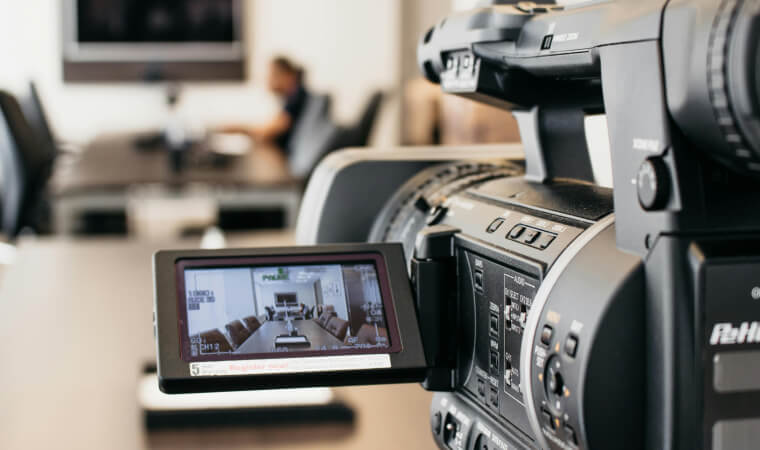
3. Production (1 to 3 days for most corporate videos)
Production refers to the filming stage. For most professional corporate videos, filming takes one to three days, depending on the scope.
This may include:
- Executive interviews
- Employee testimonials
- B-roll footage
- Product demonstrations
- Multi-camera setups
- Professional lighting and audio capture
A one-day shoot does not mean the project takes one day. Filming is only one component of the full professional video production timeline.
More complex projects involving multiple locations or staged brand scenes may require several shoot days.
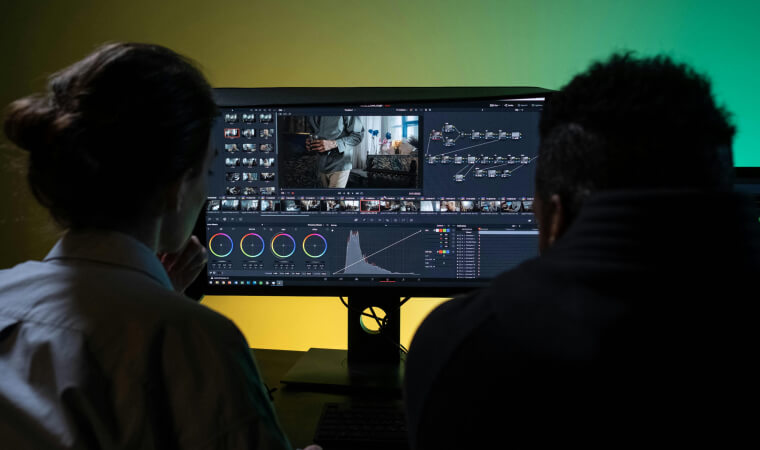
4. Post-Production (2 to 4 weeks)
Post-production is where the video comes together. This phase includes:
- Rough cut editing
- Internal production review
- Client review and revisions
- Motion graphics and lower thirds
- Color correction
- Sound design and audio mixing
- Music licensing
- Final mastering and exports
Editing takes time because precision matters. Visual and audio clarity significantly impact viewer retention. Even minor timing adjustments affect pacing and comprehension.
The number of revision rounds is the single largest variable in the corporate video timeline. Most projects include one to three structured revision cycles.
Projects that include animation or custom graphics may extend this phase by several weeks.
5. Delivery and Distribution Preparation (2 to 5 days)
Once the final version is approved, the video must be formatted for its intended platforms.
This includes:
- Exporting multiple resolutions
- Creating shorter cutdowns
- Adding captions
- Formatting for LinkedIn, YouTube, websites, or internal LMS platforms
- Final sign-off documentation
Distribution readiness ensures the video performs effectively across channels.
What Factors Can Extend or Shorten the Timeline?
The professional video production timeline is not fixed. Several variables influence duration.
Factors That Extend Timelines
- Multiple decision-makers
- Script rewrites
- Custom animation or 3D graphics
- Travel logistics
- Legal or regulatory review
- Complex motion graphics
- Delayed feedback during revisions
Corporate environments often involve layered approvals. When feedback is fragmented, revisions multiply.
Factors That Shorten Timelines
- Clear objectives from the start
- Consolidated stakeholder feedback
- Single filming location
- Interview-driven format
- Limited revision rounds
For example:
- A CEO interview with supporting B-roll may take 4 weeks.
- A brand anthem video filmed across multiple cities with animated sequences may take 8 weeks or more.
The difference lies in complexity and coordination.
Step-by-Step: How to Plan Your Video Production Timeline
Planning proactively reduces stress and protects quality. Use this framework.Step 1: Define the Purpose
Clarify the primary objective. Is the video driving sales, educating employees, or strengthening brand positioning? Purpose determines scope.Step 2: Set the Launch Date First
Work backward from your product launch, conference, or internal rollout. Add time for final distribution preparation.Step 3: Build in Revision Buffers
Allocate at least one extra week for approvals. Executive schedules shift. Legal reviews take time.Step 4: Align Stakeholders Early
Identify decision-makers before scripting begins. Consolidated feedback prevents extended revision cycles.Step 5: Choose an Experienced Production Partner
Seasoned teams anticipate bottlenecks, streamline approvals, and maintain momentum through each phase of the corporate video production process.Typical Timeline by Video Type
Different formats carry different production timelines.
- Executive Interview Video: 3 to 5 weeks
- Corporate Brand Video: 6 to 8 weeks
- Training or Internal Communications Video: 4 to 6 weeks
- Product Launch Video: 5 to 8 weeks
- Animated Explainer Video: 6 to 10 weeks
Animated projects often require additional time for design, illustration, voiceover recording, and rendering.
These ranges assume efficient feedback and structured project management.
Frequently Asked Questions
Yes, but typically only for simple formats such as a single-location interview with minimal graphics and rapid approvals. Rush projects may increase costs and limit creative flexibility.
Editing involves sequencing footage, refining pacing, balancing audio, adding graphics, and color grading. Each revision cycle requires careful review. Quality video editing is iterative by nature.
Delayed stakeholder feedback and unclear objectives are the most common causes. Early alignment significantly reduces timeline risk.
Most professional projects include one to three revision rounds. Additional rounds extend the timeline.
Often yes. Animation requires script locking, visual style development, asset creation, voiceover recording, and rendering. Each step builds on the previous one.
Plan Your Timeline With the Right Production Partner
A professional video is not created in a day. It is built through strategy, planning, collaboration, and careful execution. Most corporate video production timelines range from 4 to 8 weeks because quality requires structure.
Planning early protects your launch dates, budget, and brand standards. Working with an experienced team helps you anticipate revisions, streamline approvals, and keep momentum steady.
If you are preparing for a product launch, executive announcement, or internal rollout, Corporate Video Production can guide your project from strategy through delivery with a clear, realistic timeline.