

What’s In This Guide
- Why Video Strengthens Hurricane Training
- What a Corporate Video Production Company Delivers
- Videos Worth Producing Before Next Season
- Built for Miami’s Workforce
- How to Roll It Out So Employees Watch It
- Keep Customers Informed After a Storm
- Frequently Asked Questions
- Turn Your Hurricane Plan Into Training Your Team Will Remember
A hurricane plan in a binder does little at 6 p.m. when a storm track shifts. A corporate video production company can turn that plan into short, repeatable training that employees actually watch and remember. For Miami employers, a hurricane preparedness video in Miami works as an operational tool, not a marketing asset.
Here is what to produce, what the research supports, and how to roll it out before the next season.
Quick Facts
- Video turns a written hurricane plan into training employees can retain and revisit.
- NOAA outlooks describe seasonal activity, not landfall, so preparation should never depend on the forecast.
- FEMA estimates about 40% of businesses do not reopen after a major disaster, which makes continuity planning a core priority.
- Safety, HR, and legal approval before filming keeps the video aligned with the written plan and OSHA’s review requirements.
- Short, captioned, multilingual modules refreshed each season suit Miami’s workforce best.
Why Video Strengthens Hurricane Training

NOAA’s updated 2026 outlook puts the chance of a below-normal Atlantic season at 75%, but seasonal outlooks are not landfall forecasts, and one storm can still shut a business down. With the season ending November 30, the offseason is the practical window to build materials for 2027.
The business stakes are real. FEMA estimates about 40% of businesses do not reopen after a major disaster. On the compliance side, OSHA’s emergency action plan standard requires a written plan where an OSHA standard calls for one. Employers must review the emergency action plan with each covered employee when the plan is developed or the employee is first assigned to a job, when employee responsibilities change, and when the plan changes. Video makes that review consistent and easy to document. Confirm your specific obligations with legal or safety counsel.
Leaders scoping budget and deliverables can start with a wider view of what corporate video production includes.
What a Corporate Video Production Company Delivers
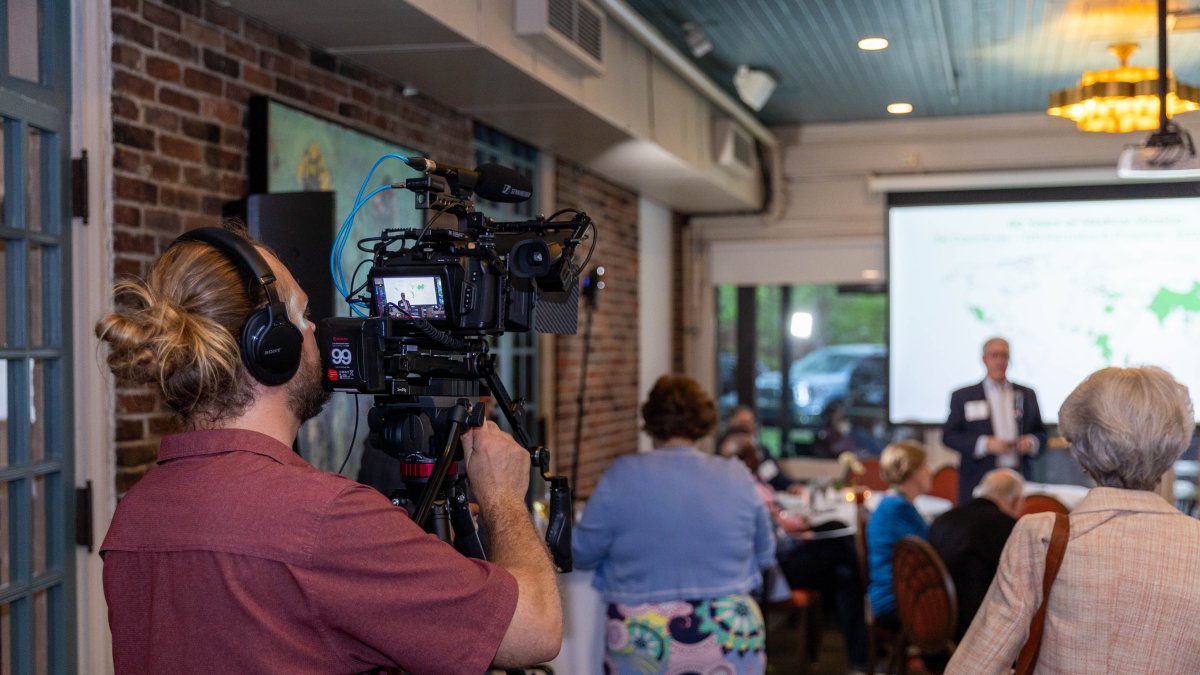
A capable corporate video production company manages three phases: pre-production (discovery, script, storyboard, approvals), production (on-location filming, interviews, sound), and post-production (editing, captions, graphics, exports). For hurricane content, the approval step matters most. Safety, HR, legal, facilities, and IT should sign off on the script before cameras roll so the video matches the written plan. A defined step-by-step video production process also prevents costly reshoots when procedures change.
Videos Worth Producing Before Next Season
- Emergency communication video: Shows how leadership will reach staff (text alerts, call trees, one named point of contact) and what to do when a message arrives.
- Business continuity video: Explains who restarts which function, how remote access works, and what return-to-work looks like.
- Site-specific shutdown video: Walks through shutter, equipment, and inventory protocols at each location.
- Know Your Zone explainer: Covers Miami-Dade County's five storm surge planning zones (A through E) and how staff can check a home address on the county hurricane site.
- Post-storm safety video: Addresses re-entry and cleanup hazards before anyone returns to the building.
B2B companies often add a client-facing cut that reassures partners about service continuity, one of many uses outlined in this look at corporate video production for B2B.
Built for Miami's Workforce
Miami's workforce is multilingual, and Miami-Dade County has published its hurricane guidance in English, Spanish, and Haitian Creole. Corporate training should follow that lead with translated voice-over or subtitles, burned-in captions, and clear on-screen text. Keep each module to two to four minutes and cut a vertical version for phones. Short, focused modules are also easier to update when a plan changes.
How to Roll It Out So Employees Watch It

Schedule viewing at onboarding, in a spring refresher before June 1, and whenever the plan changes, which mirrors OSHA’s review triggers. Host the video on the intranet or learning platform, and provide a downloadable copy for staff who lose connectivity. Strategic video seeding then places the right clips in front of the right internal and external audiences instead of leaving them on a forgotten shared drive.
Keep Customers Informed After a Storm
After landfall, customers search for hours, service status, and contact details. A short update video paired with a clear text summary on the website answers those questions quickly, and well-structured pages improve the odds that businesses get cited in AI search answers.
Frequently Asked Questions
How much does a corporate video production company charge for hurricane preparedness training?
Pricing depends on crew size, filming days, locations, talent, translation, animation, and the number of deliverables. Many corporate projects fall roughly between $5,000 and $50,000, and multi-location or multilingual series can exceed that. An accurate quote requires a consultation to confirm scope.
How long does it take to produce a business continuity video?
A focused project often takes three to six weeks, while complex or multi-location productions can take six to 12 weeks or longer. Approval time for safety, HR, and legal reviewers usually affects the schedule more than filming or editing does.
Should a Miami business shoot hurricane training in-house or hire a corporate video production company?
Phone-shot clips can work for quick internal updates. A production partner is the stronger choice when the project involves multiple locations, translated versions, captions, consistent branding, or an emergency communication video that must match an approved plan.
Who owns a hurricane preparedness video after production?
Ownership and usage rights depend on the production agreement. Confirm who holds the final files and raw footage, and whether music, talent, or stock-media licenses carry restrictions, before filming begins.
Can existing company footage be reused in a hurricane preparedness video?
Often, yes. Existing footage can reduce production time and cost, provided it meets the new project’s quality, branding, technical, and licensing requirements.
Turn Your Hurricane Plan Into Training Your Team Will Remember
Our corporate video production team helps organizations connect strategy, storytelling, and production execution. From internal compliance and safety messaging to external brand campaigns, high-quality corporate video turns complex operational procedures into clear, memorable content that drives retention and engagement across your workforce.
Share your audience, goals, and locations to request a project-specific proposal.